
Scotland's Leading Contemporary Culture Bookshop.

Fruitmarket Publications
Fruitmarket publications
Shop Now

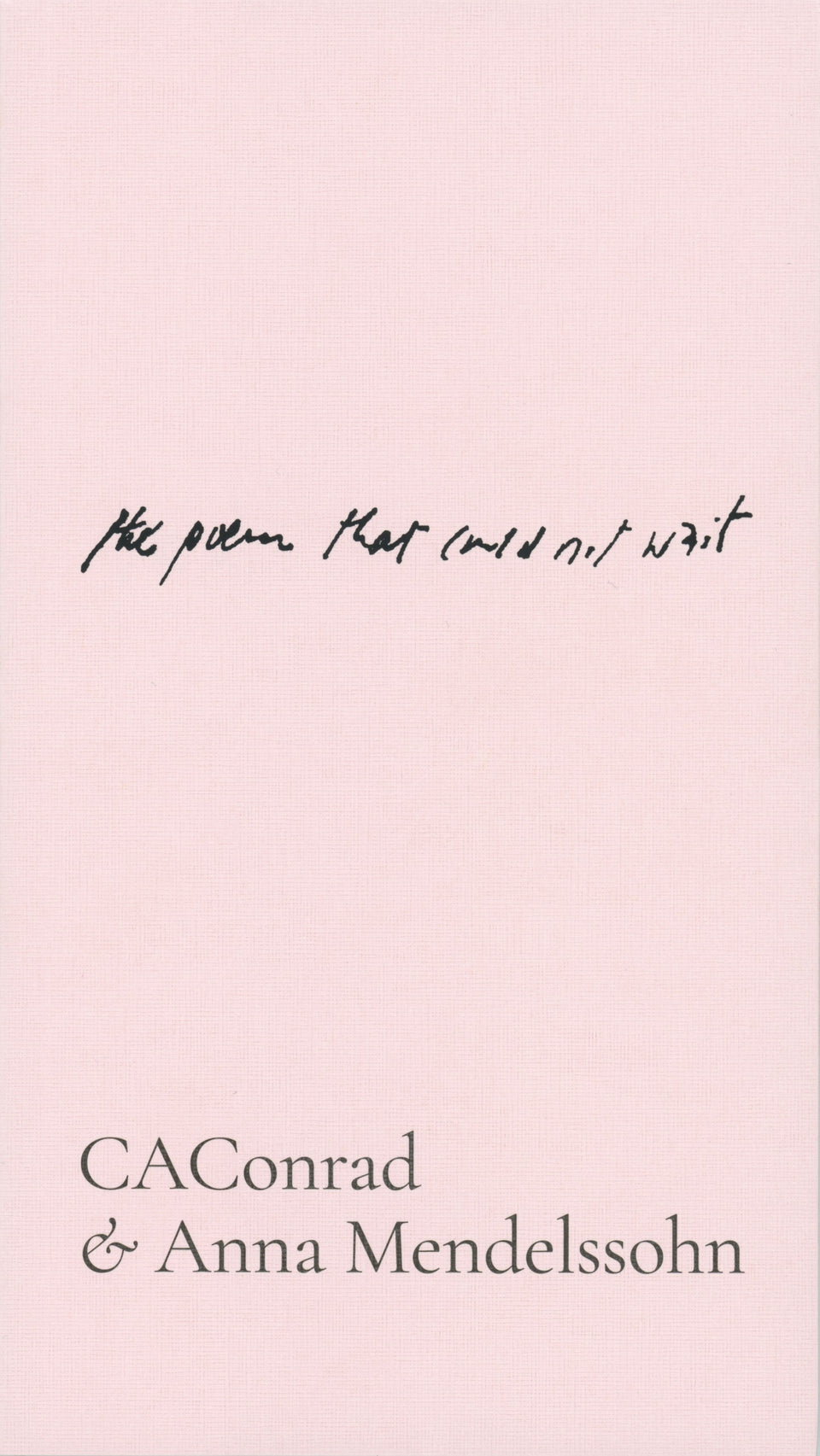
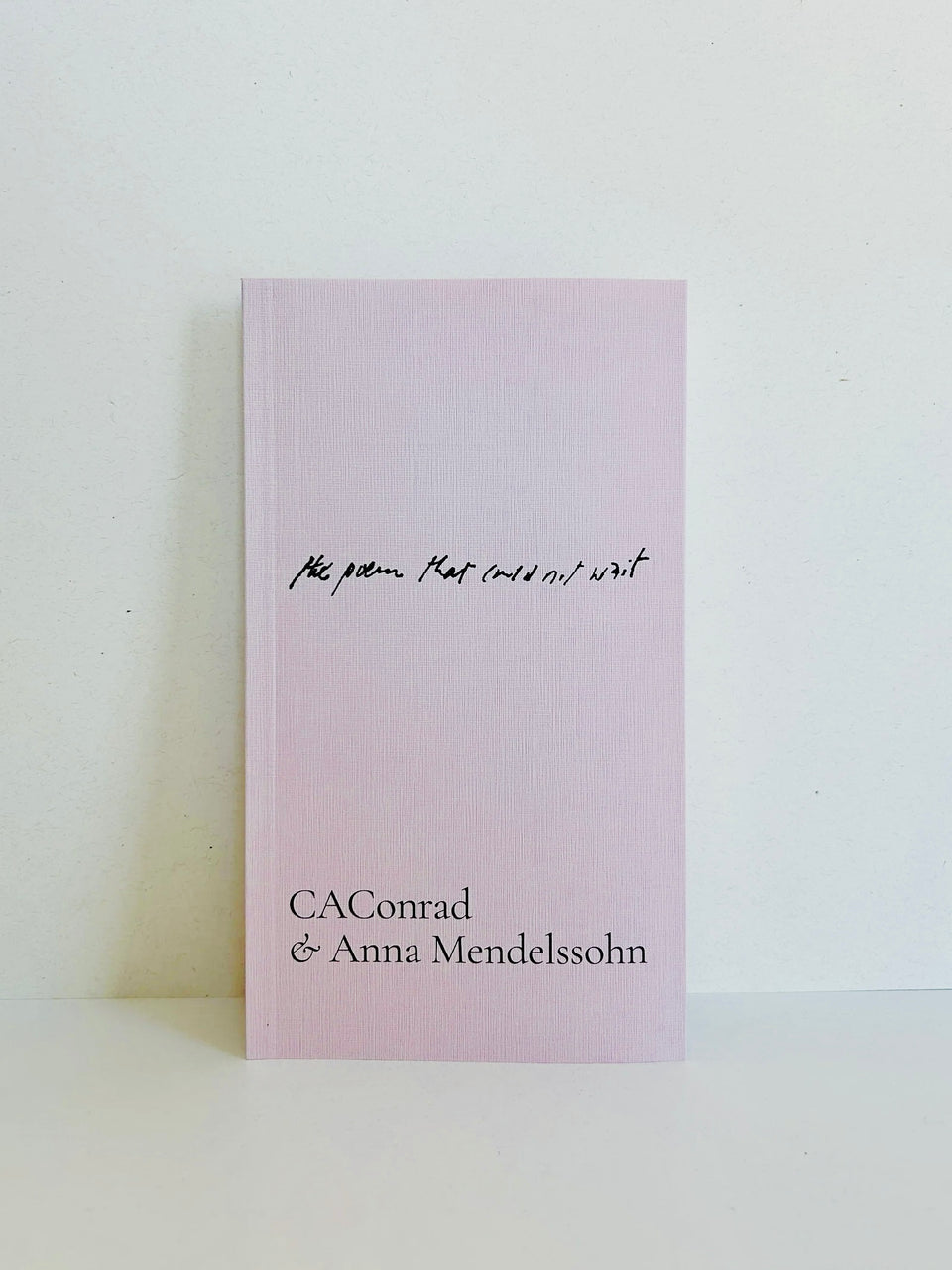
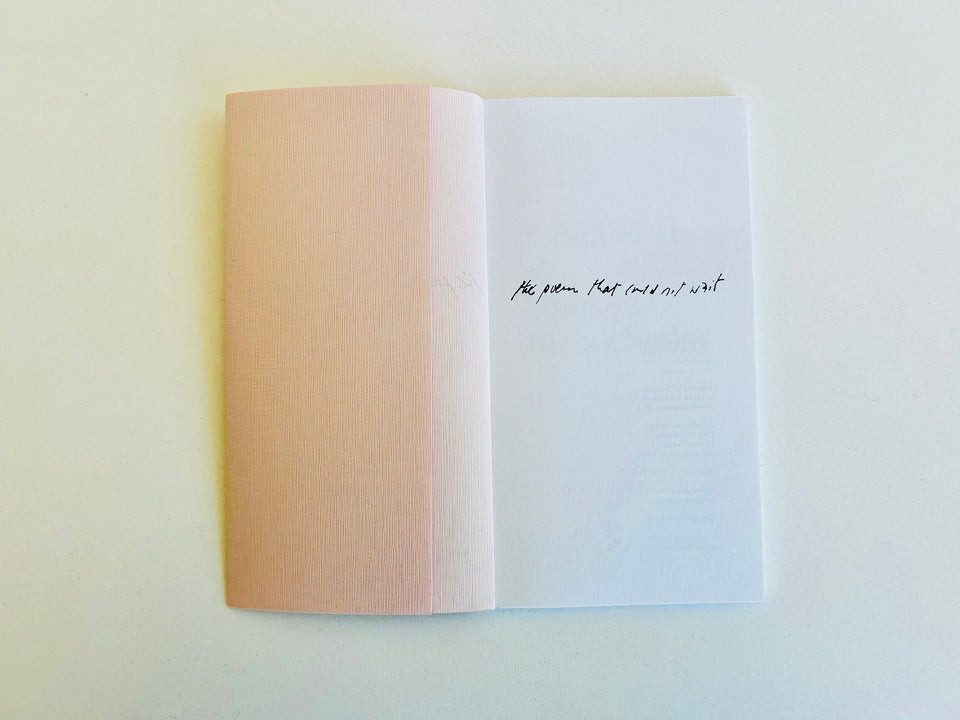
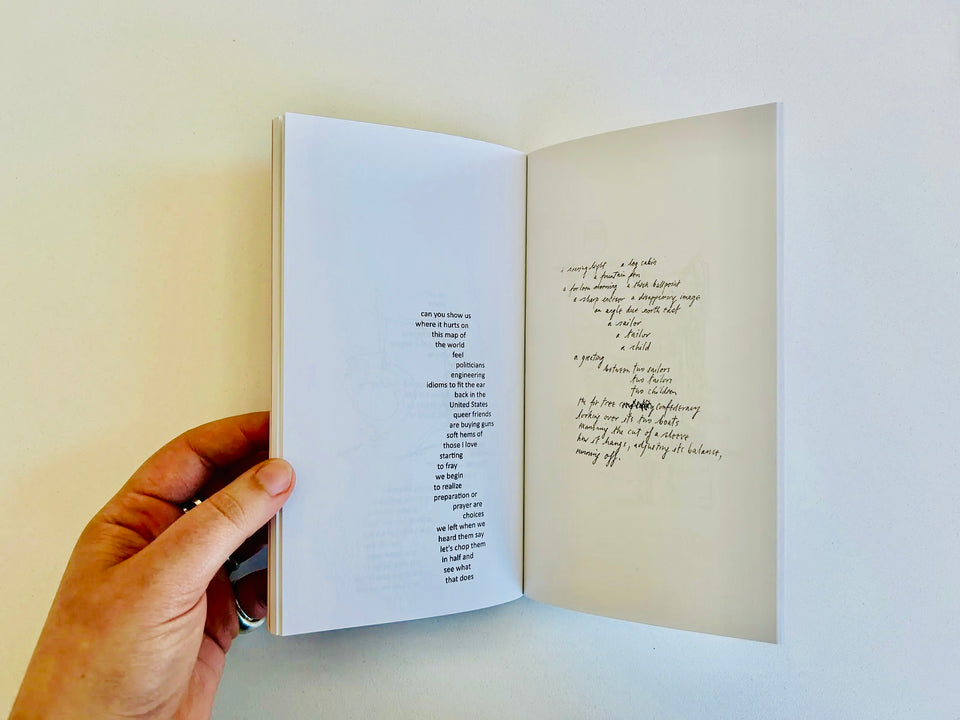
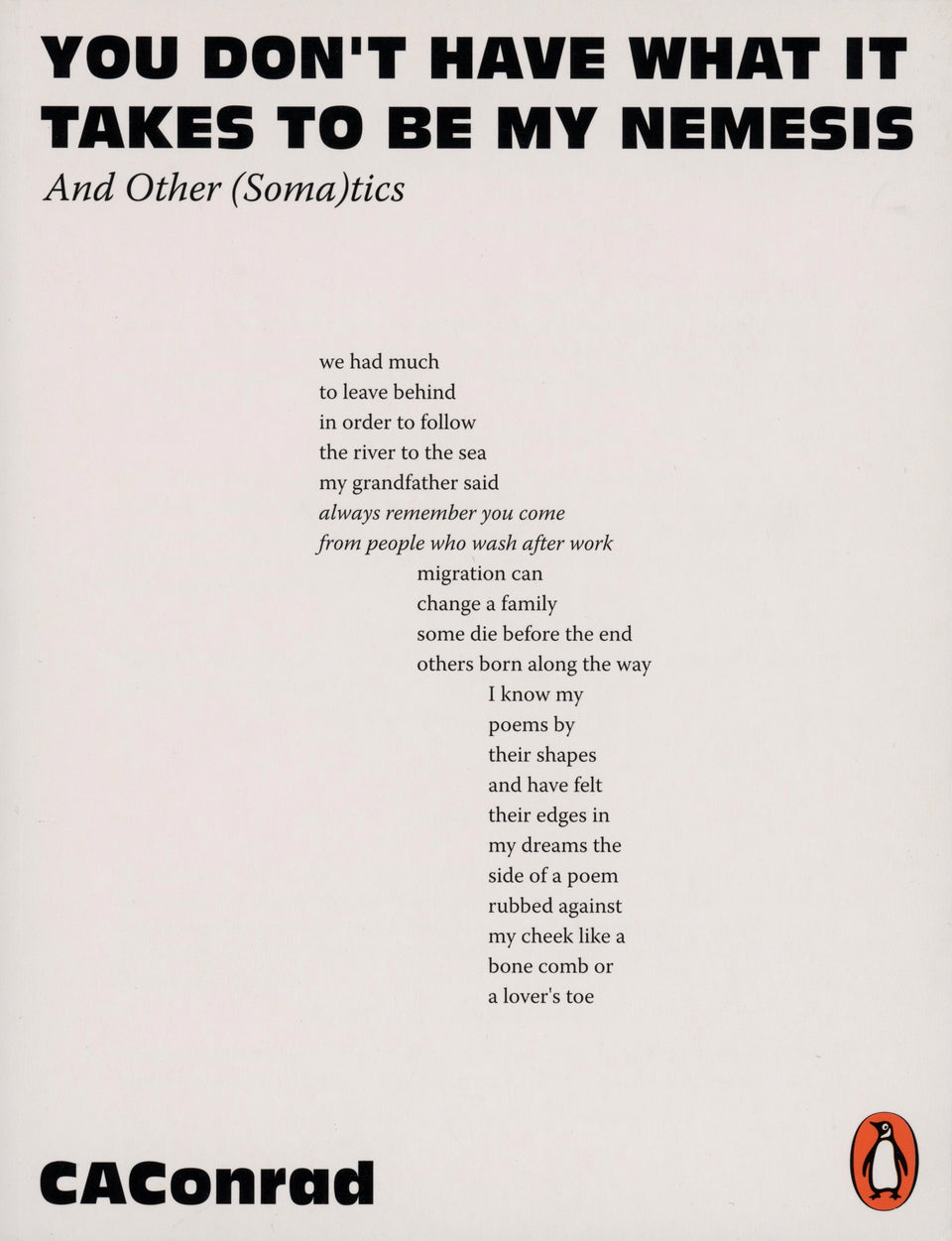
CAConrad and Anna Mendelssohn: the poem that could not wait
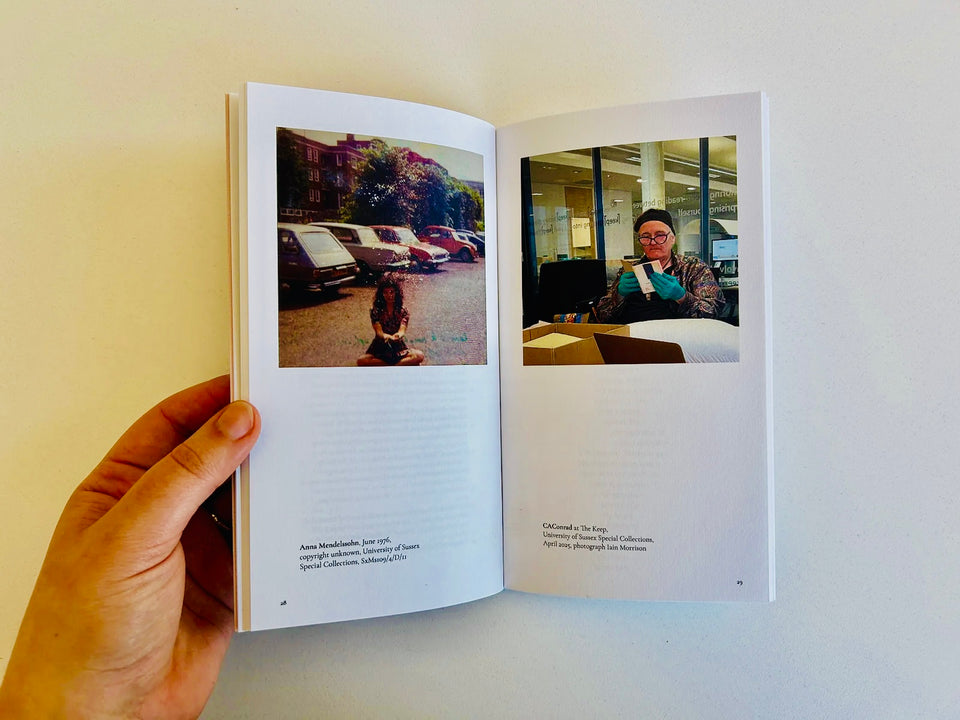
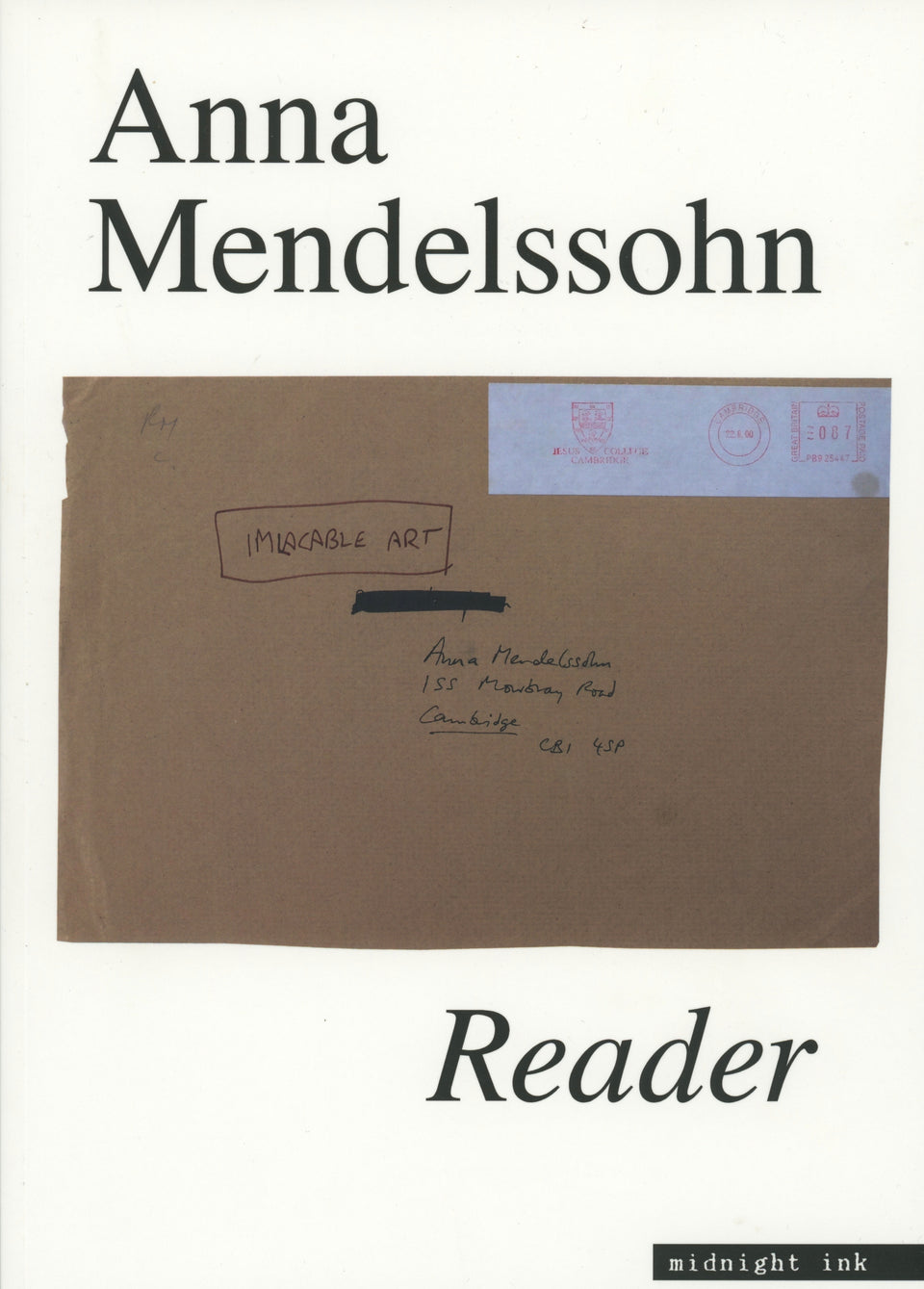
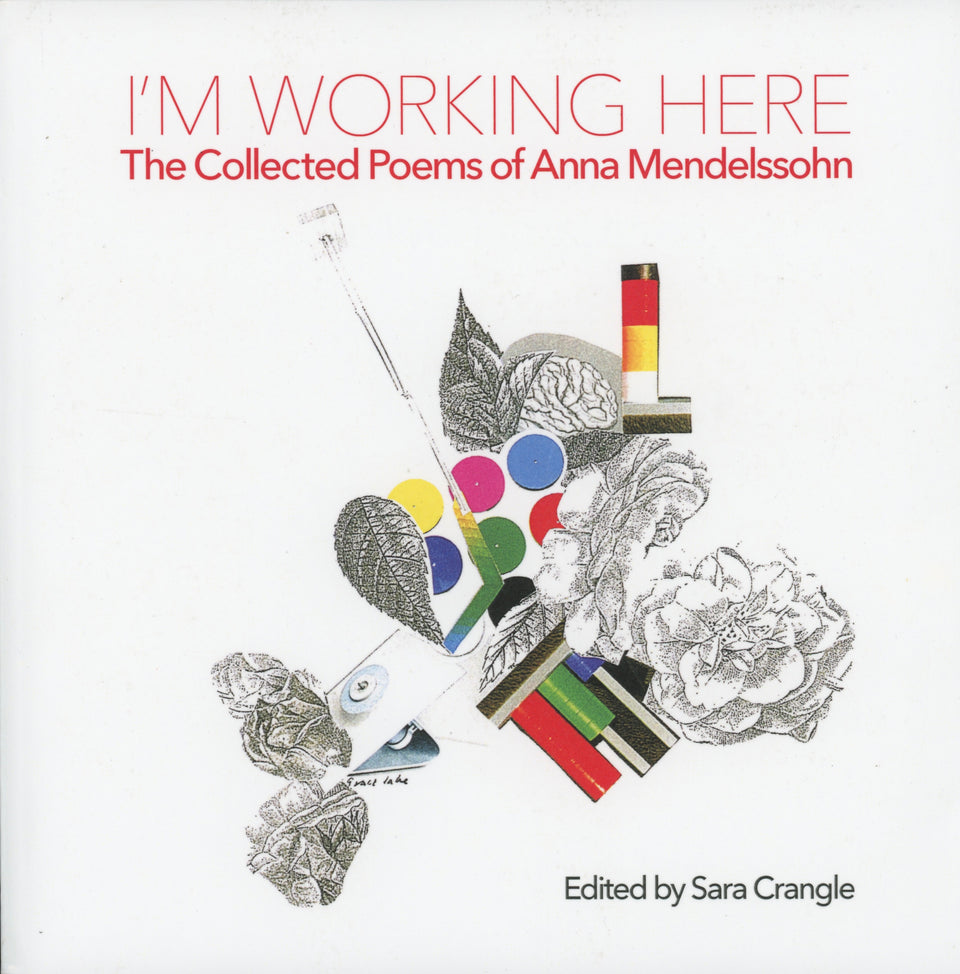
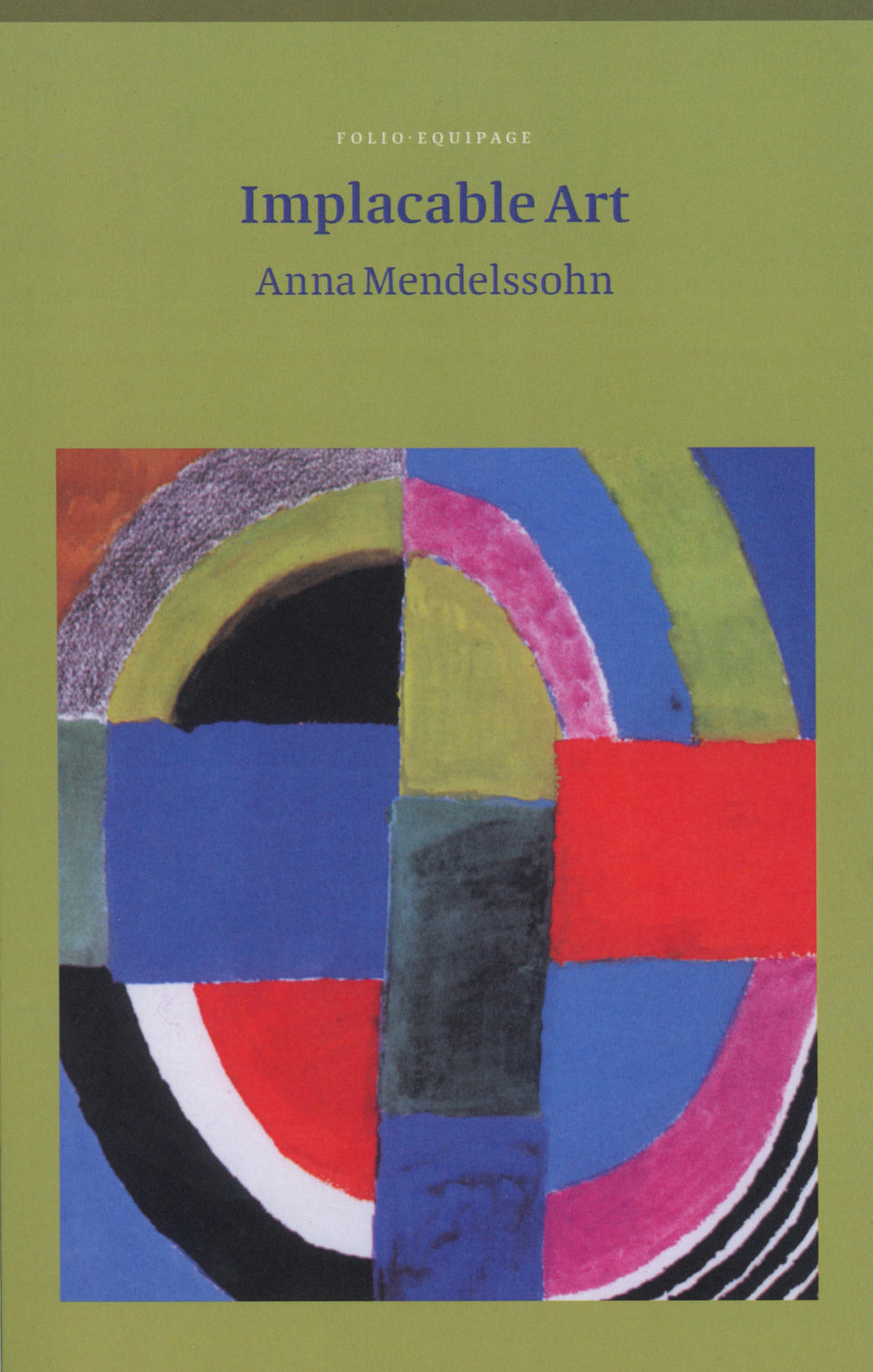
This publication accompanies the exhibition (01.05.26-24.05.26) which saw two of the most iconic and politically intelligent voices in contemporary poetry enter conversation. The book contains reproductions of all the poems and drawings from the exhibition, along with an introduction from Prof. Sara Crangle (University of Sussex) and an exhibition essay from poet-curator Iain Morrison.
Since her death in 2009, Mendelssohn’s work has gained the interest of audiences through an increasing array of publication and exhibition contexts. American poet CAConrad spent time among the University of Sussex’s archives that hold an extraordinary store of Mendelssohn’s distinctive drawn and handwritten manuscripts. They prepared nine of their own poems to be presented and, with Iain Morrison, selected nine of Mendelssohn’s previously unpublished works to reproduce alongside theirs at their trademark larger-than-human scale. The show took place in Fruitmarket’s Warehouse.
CAConrad & Anna Mendelssohn
Shop Now

Artists' Editions
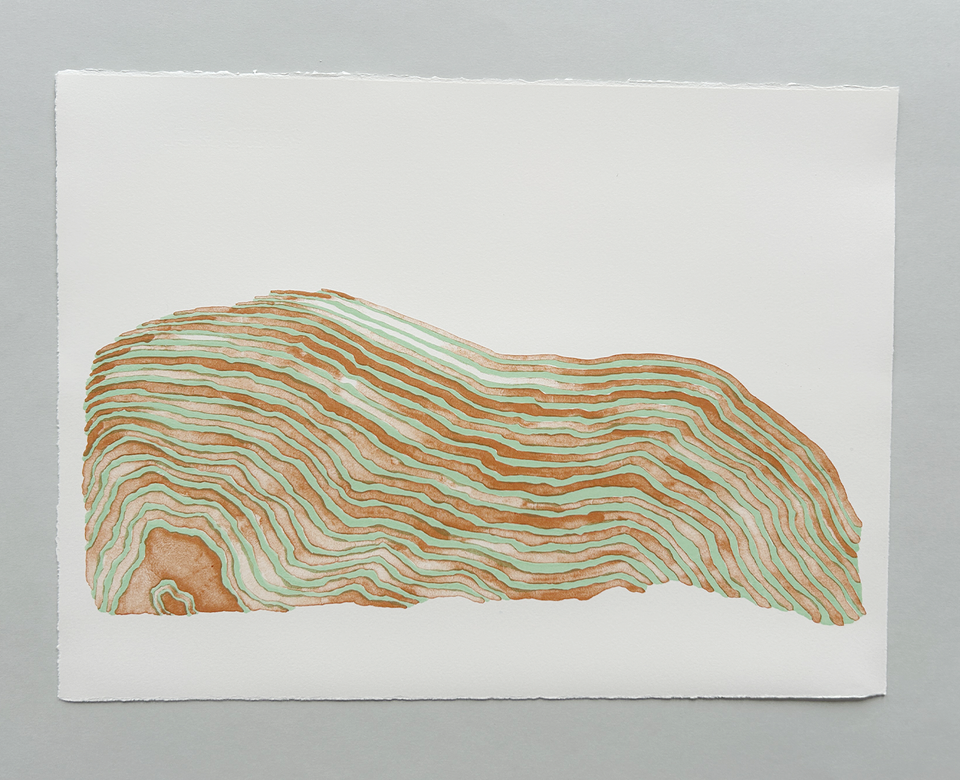
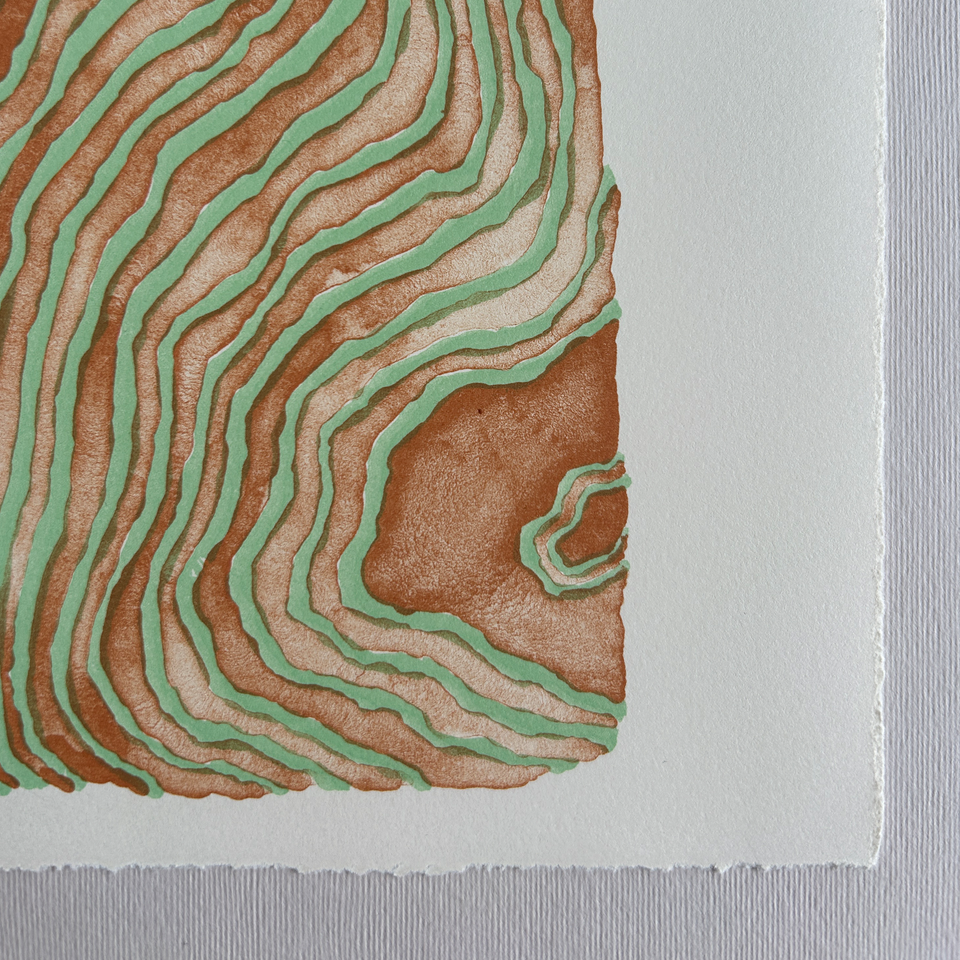
Ilana Halperin The Rock Cycle (stromatolites), 2026
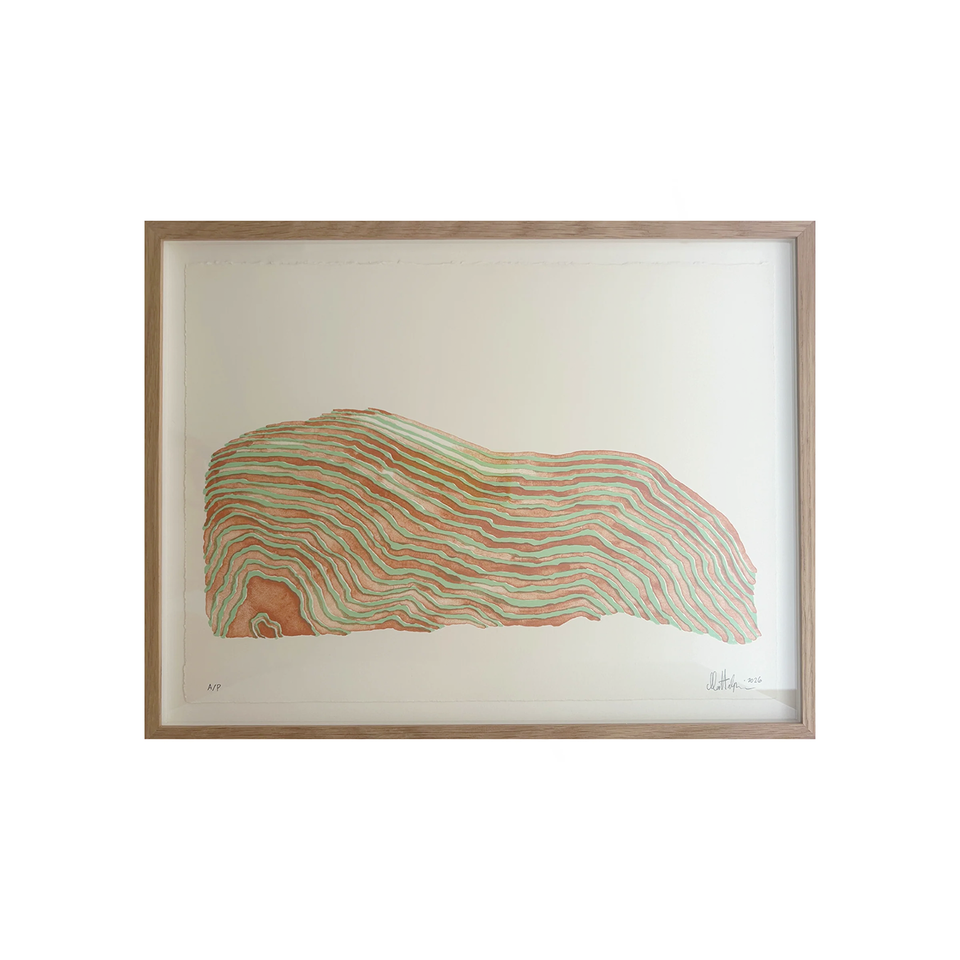
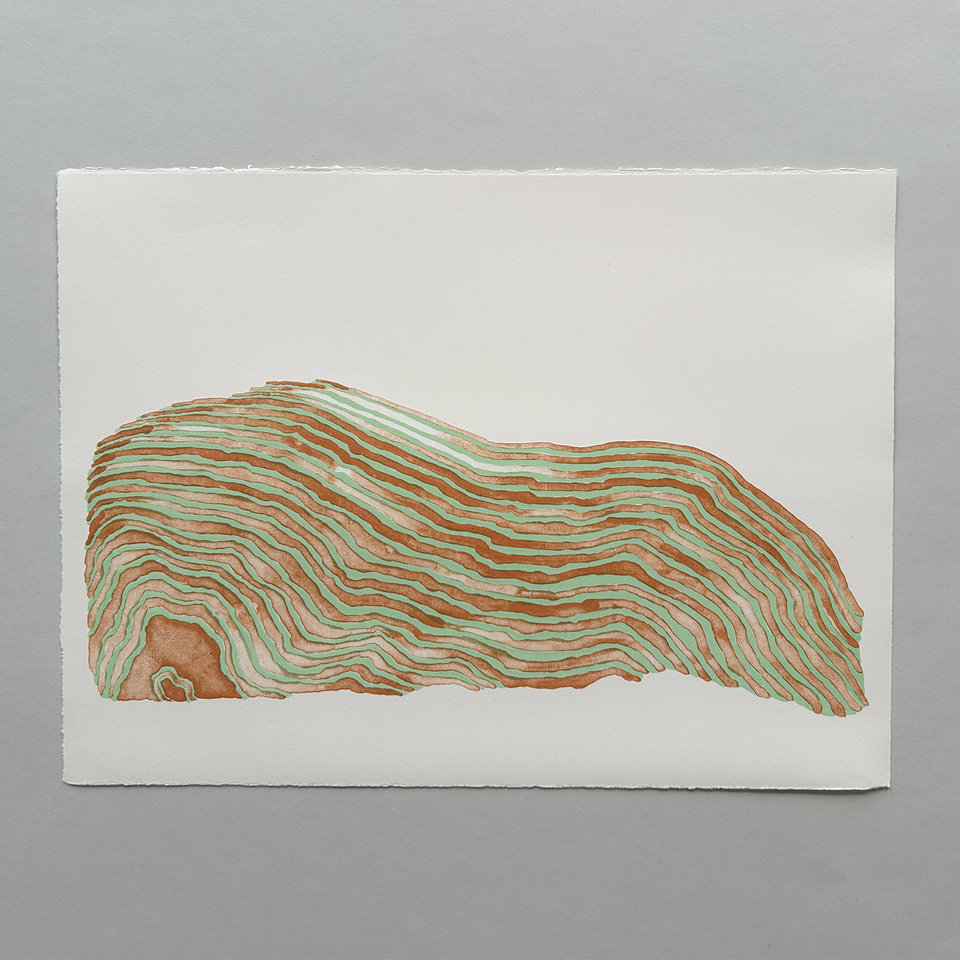
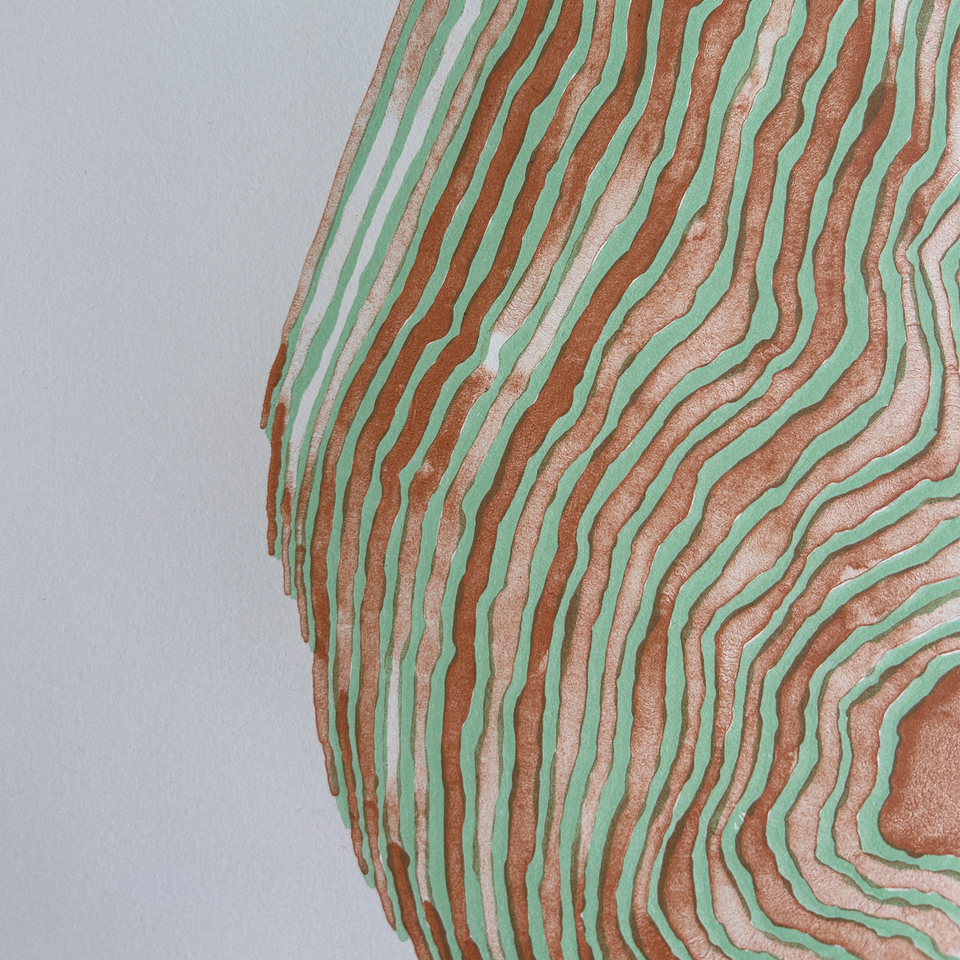
Ilana Halperin The Rock Cycle (stromatolites), 2026
2 colour lithograph
Edition of 50
Signed and numbered by the artist on the front
28 x 38 cm unframed
£180 / £280 inc tax (unframed/ framed in oak)
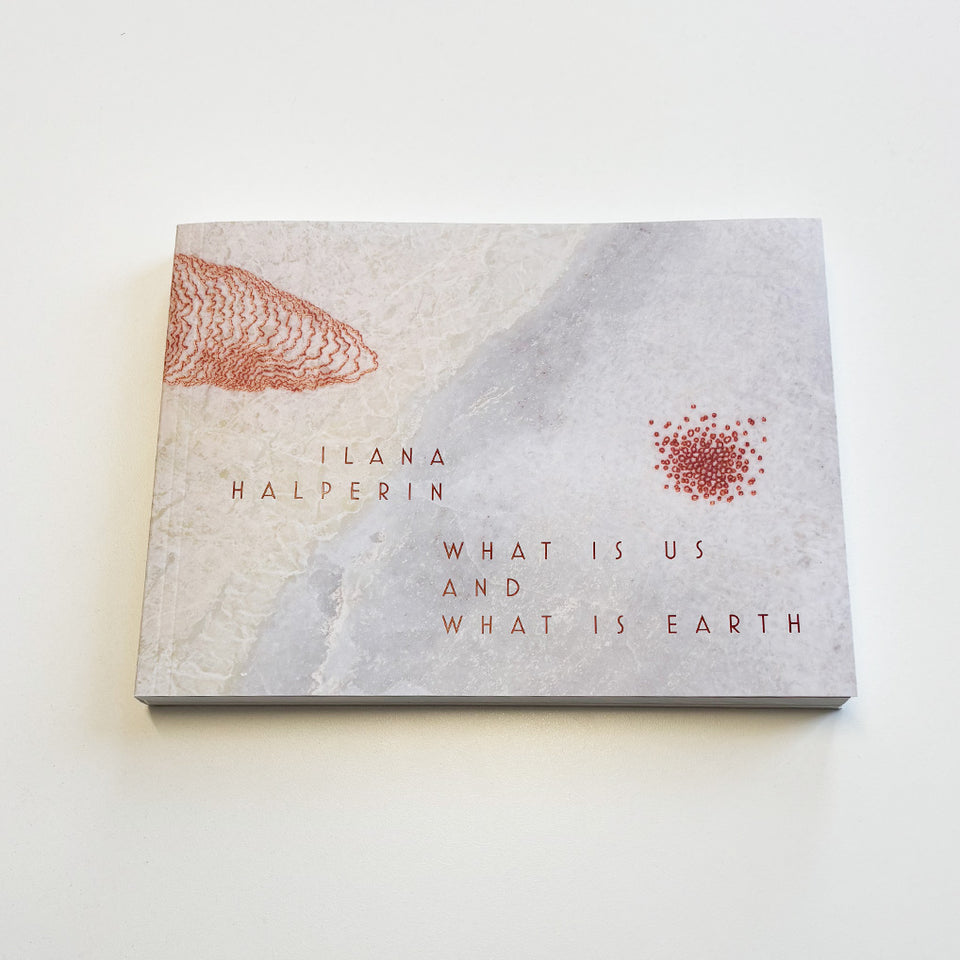
This new stone lithograph, made to celebrate the artist’s current solo exhibition at Fruitmarket What is Us and What is Earth with Edinburgh Printmakers, draws on ideas embedded in the sculptural constellation The Rock Cycle (from stromatolites to diamonds), 2026: a work that brings fossils, new grown cave objects, Scottish marble and Herkimer Diamonds (ancient quartz crystals from upstate New York) together to foster unexpected connections between early life forms and potential deep time futures.
As the stone used in lithography is composed of limestone, and in turn limestone is composed of calcium carbonate lifeforms including stromatolites, this new work joins the deep time calcium carbonate family tree that we are also a part of through our teeth and bones.
“When we went to the quarry in Ledmore, Simon explained that around 535 million years ago, the marble here mostly began as stromatolite-bearing limestone. Stromatolites are among the first traces of organic life on earth. They are the reason we can breathe. The stromatolites died, were crushed, compressed, turned into limestone and cooked by new rock that ground its way through fissures in the dolostone (a near relation of limestone), and marble occurred. Across the Atlantic in upstate New York, a similar process happened, and then Herkimer Diamonds grew in pockets in the dolostone. Now, different branches of this carbonate family are meeting. We are part of this conglomerate family too – a deep time calcium carbonate family tree stretching from stromatolites all the way to our teeth and bones. A different form of generational understanding.
We are all chimeras. There are cells from our grandmothers, uncles, brothers, sisters and mothers living inside of all of us. But can we go further – do we have memories of the material we are made of (we are made of star stuff…) Of limestone and tuff, of calcium carbonate and coral, of ammonites. What about cells, about atoms, about mountains? Of mineral memories? I am sure this is not scientifically accurate, but could it be something else accurate, a possibility?
Mountains and rocks, which remind us they are the product of the living, can become reanimated again, an infinite source of narratives, deeply embedded in our connected identities. Can looking more closely at our geologic neighbours help us to connect in felt, material and corporeal ways to our place in the deep time story, help us care about our deep time family?”
– Ilana Halperin
Shop Now
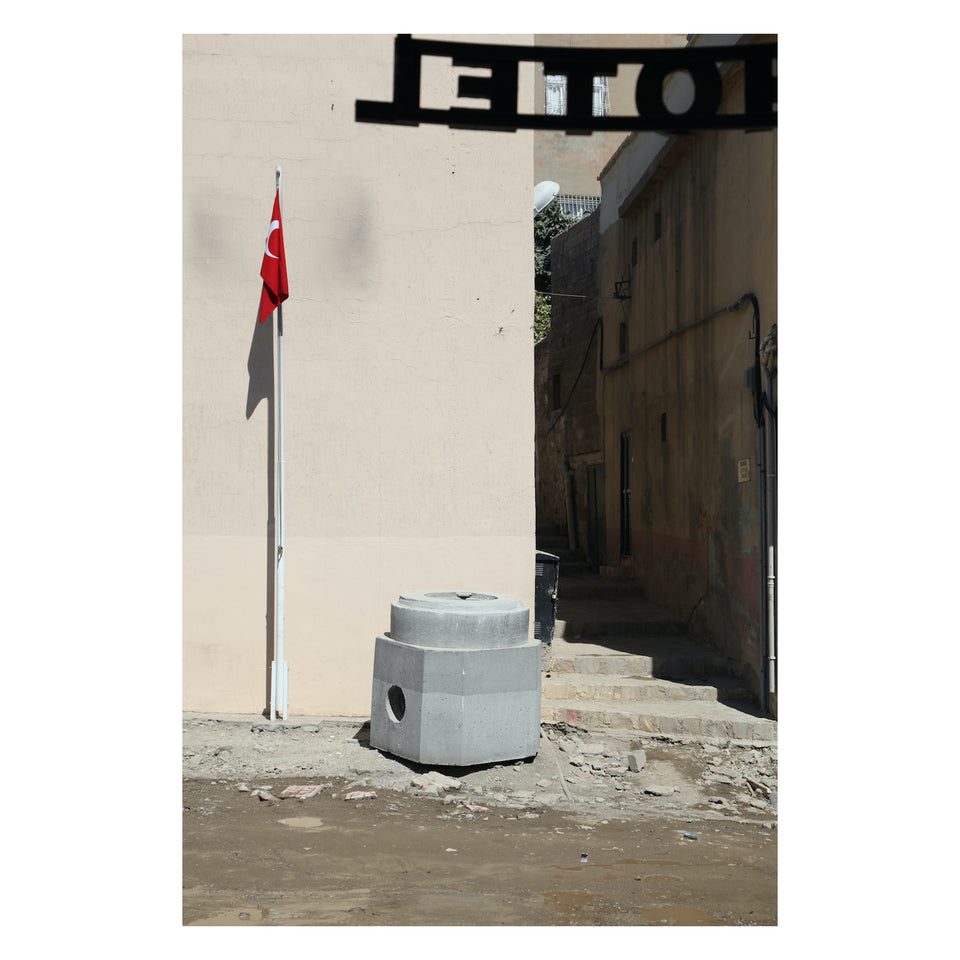


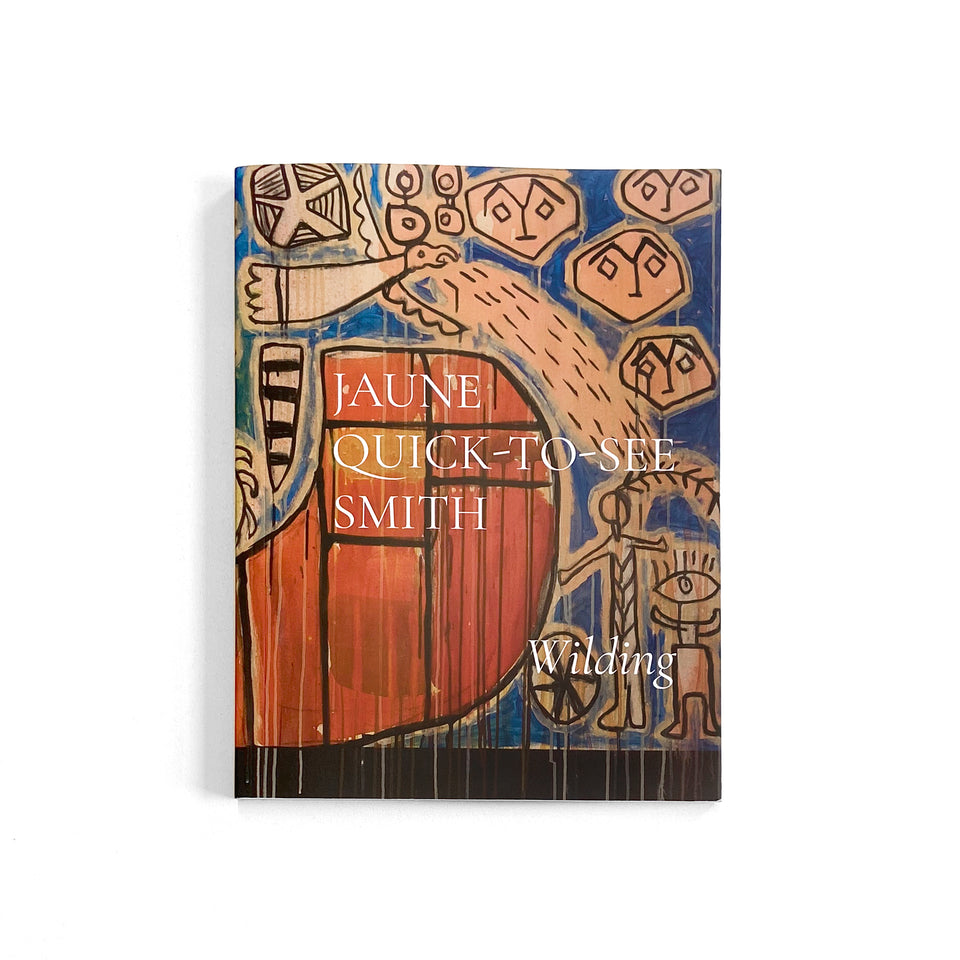
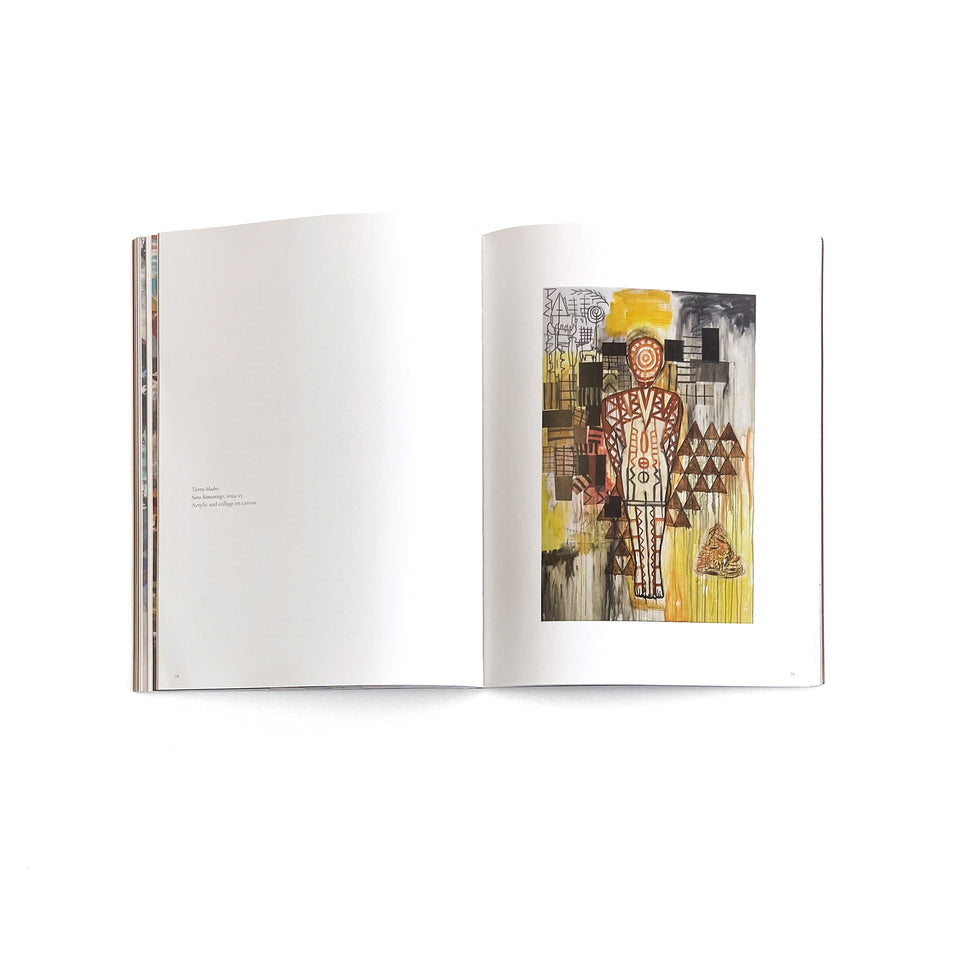
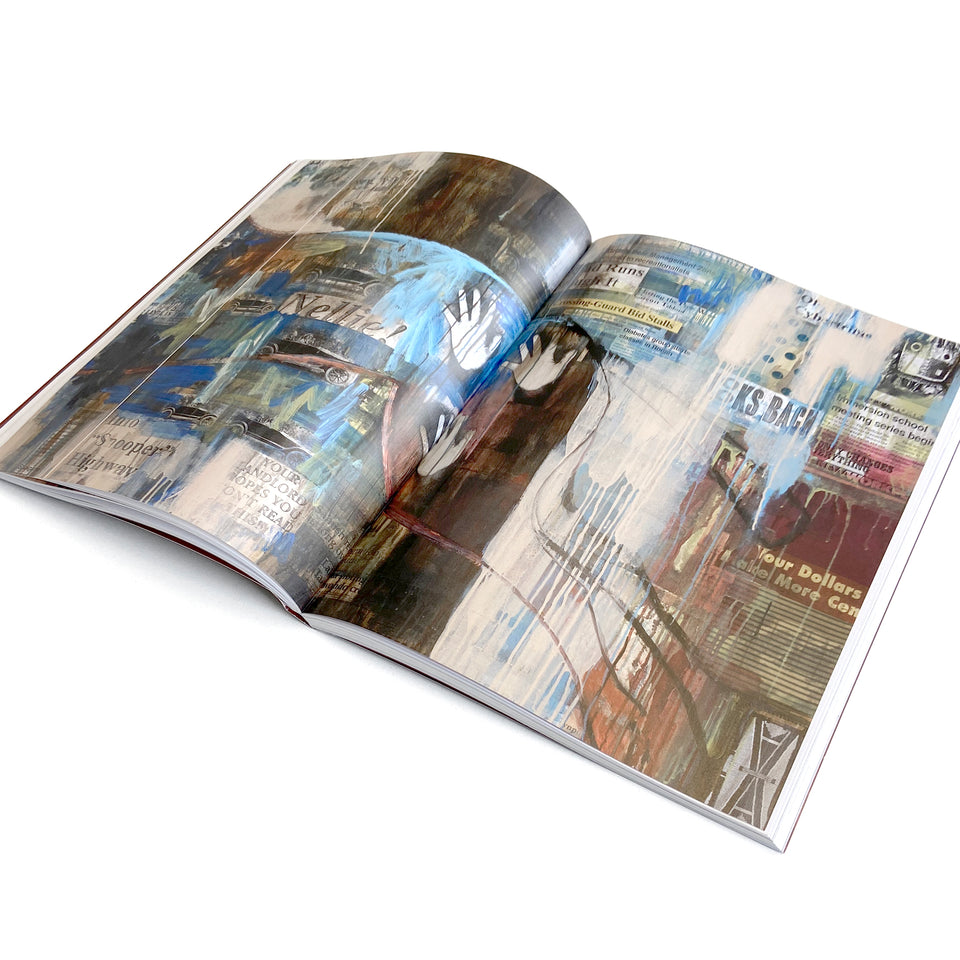
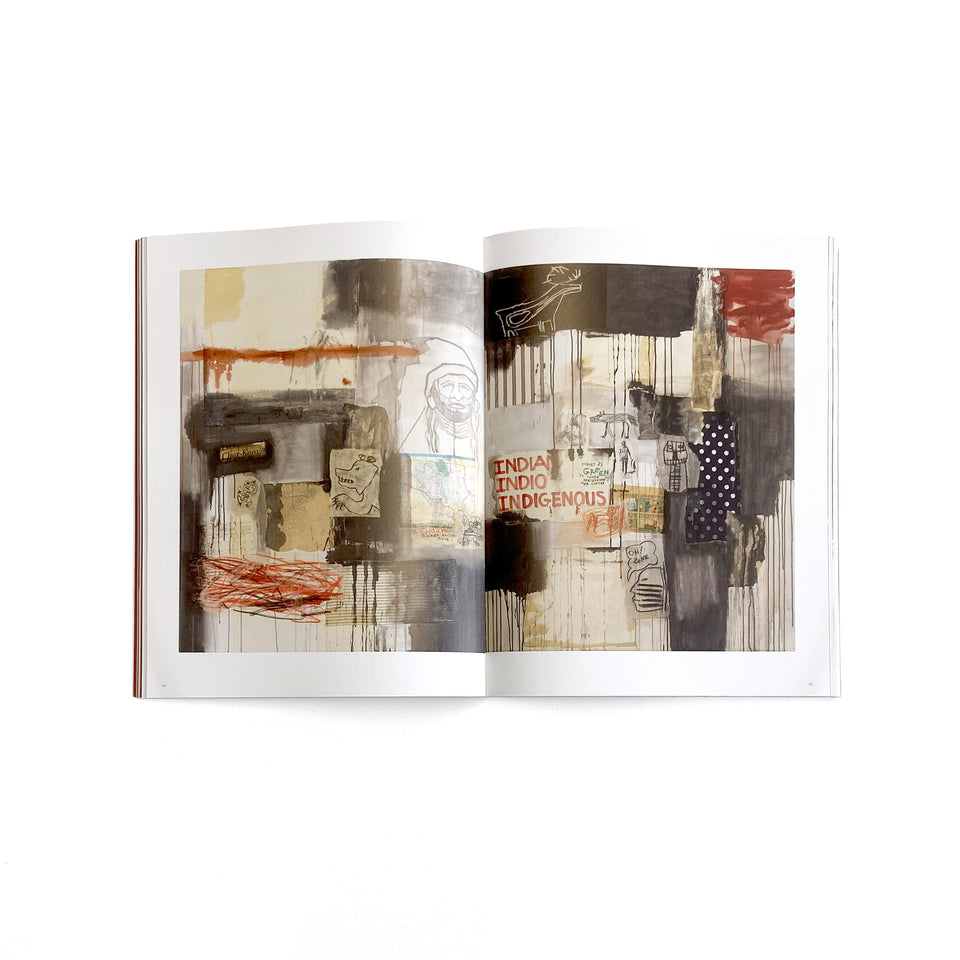
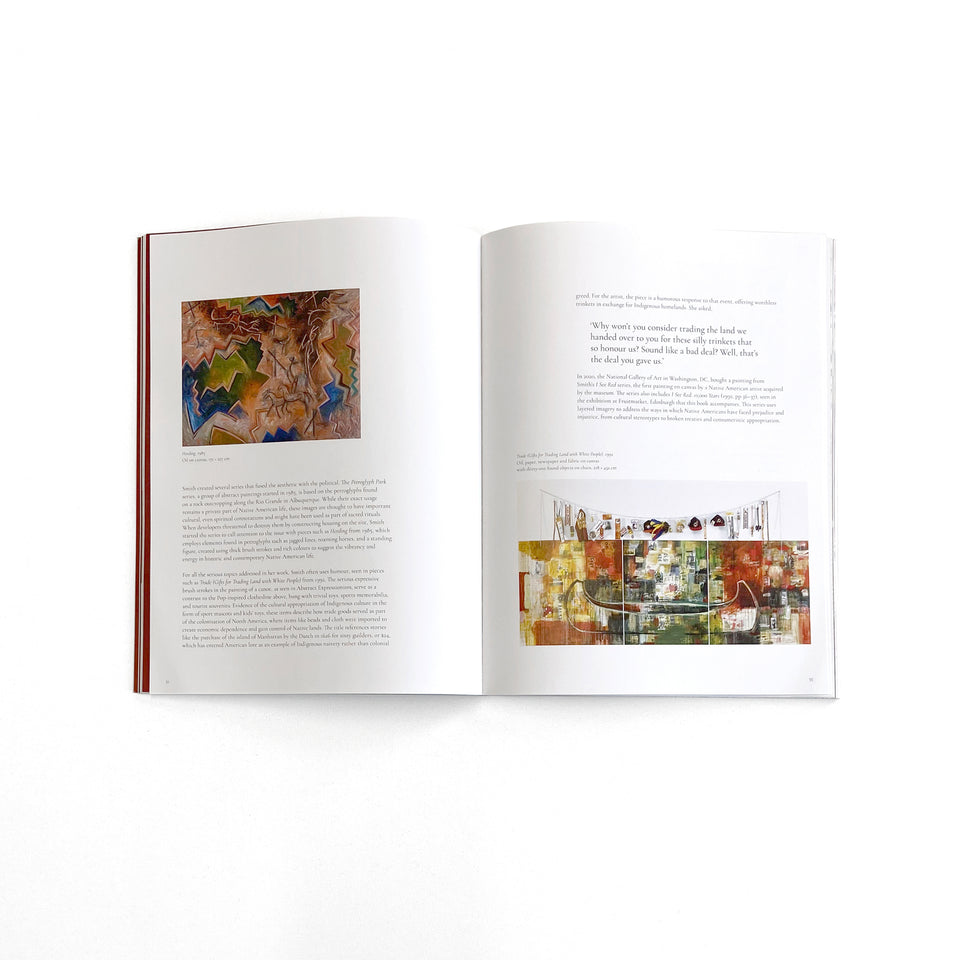
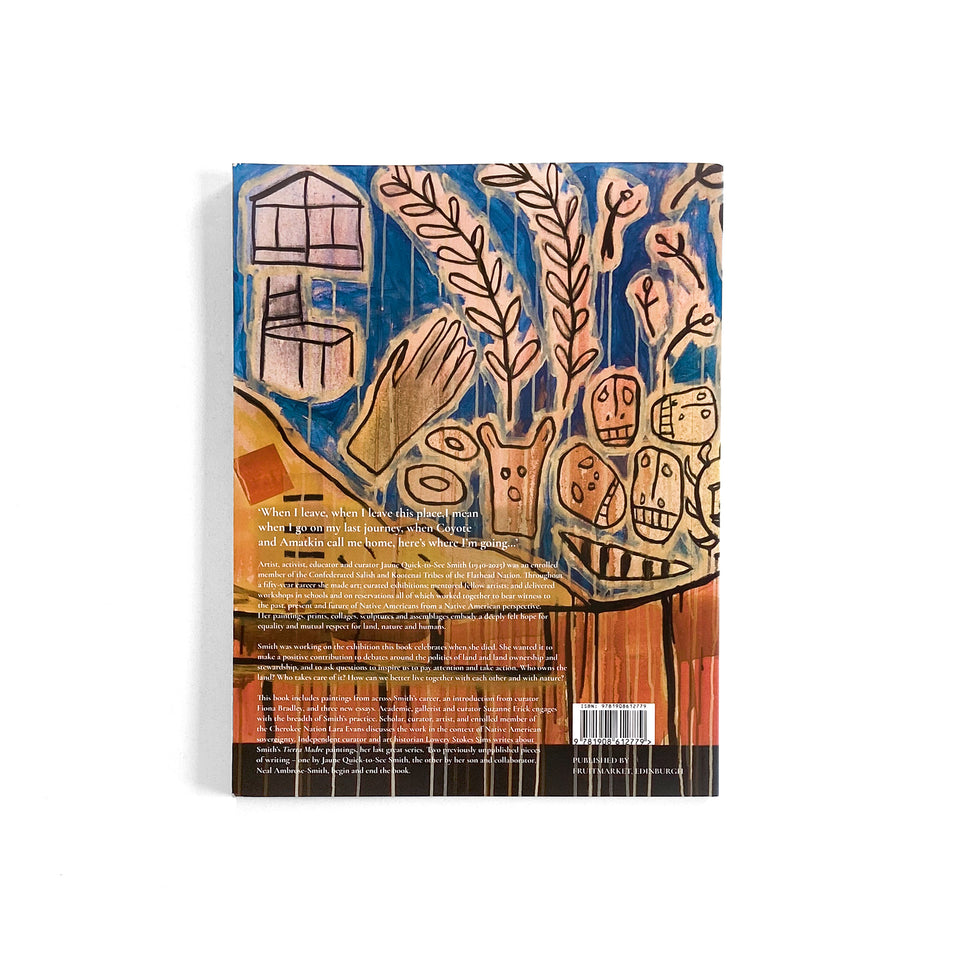
Jaune Quick-to-See Smith: Wilding
Fruitmarket Publishing launched their new title Jaune Quick-to-See Smith, Wilding which celebrates the work in their major exhibition at Fruitmarket, Edinburgh from 07.11.25–01.02.26.
This exhibition was conceived in conversation with the artist before her sad and sudden death at the beginning of 2025 and will be the first time her work has been seen in Scotland.
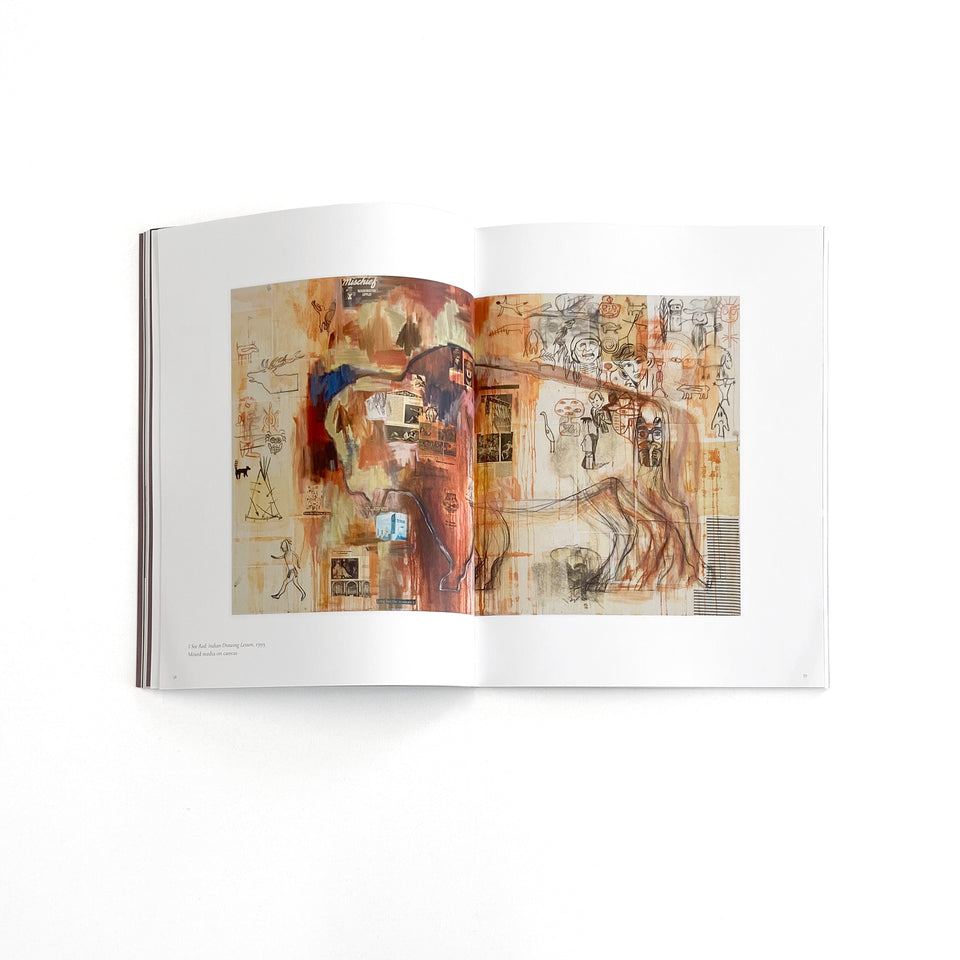
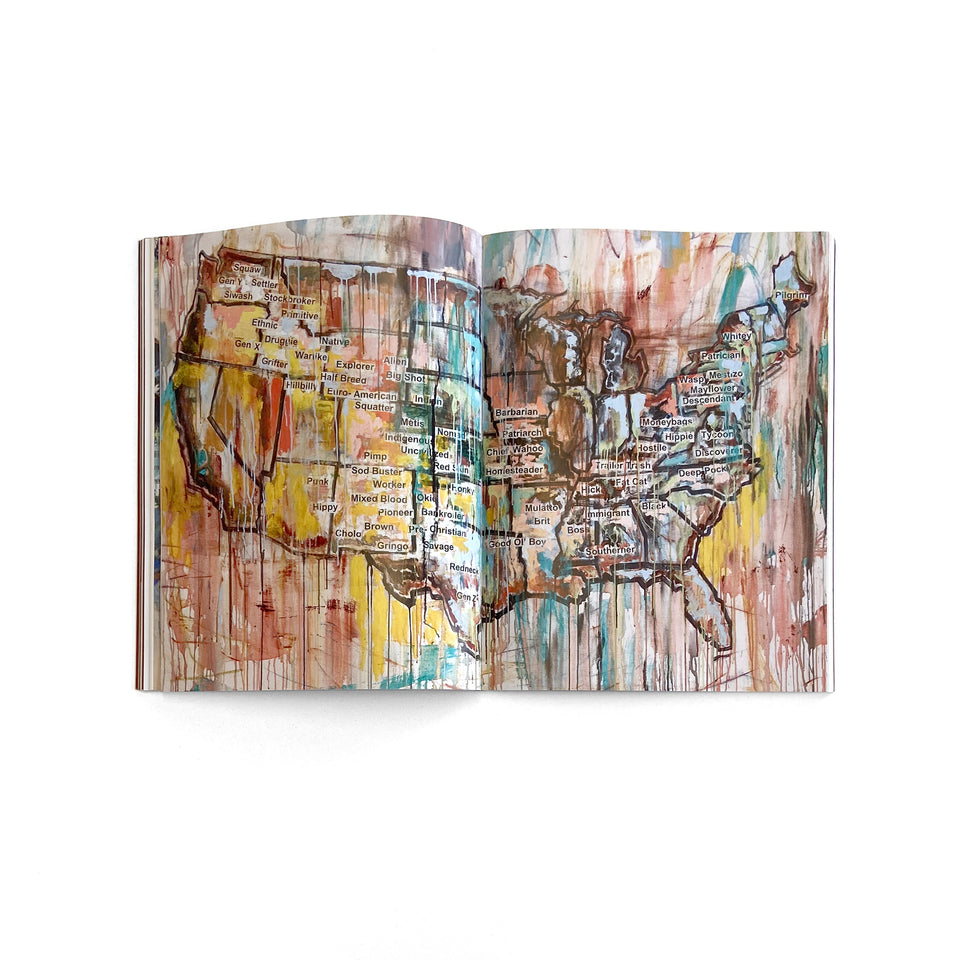
She wanted it to make a positive contribution to debates around the politics of land and land ownership and stewardship, and to ask questions to inspire us to pay attention and take action. Who owns the land? Who takes care of it? How can we better live together with each other and with nature? This book includes paintings from across Smith’s career, an introduction from Frutimarket Director and curator Fiona Bradley, and three new essays. Academic, gallerist and curator Suzanne Frick engages with the breadth of Smith’s practice. Scholar, curator, artist, and enrolled member of the Cherokee Nation Lara Evans discusses the work in the context of Native American Sovereignty. Independent curator and art historian Lowery Stokes Sims writes about Smith’s Tierra Madre paintings, her last great series. Two previously unpublished pieces of writing – one by Jaune Quick-to-See Smith, the other by her son and collaborator, Neal Ambrose-Smith, begin and the end of the book.
Fiona Bradley, Fruitmarket Director said: We are proud to be bringing her ferocious intelligence and brilliant work to new audiences in Scotland in this exhibition that will celebrate her life, work and career-long mission to legitimise the work of contemporary Native American artists.
Jaune Quick-to-See Smith (1940–2025) was born at the St. Ignatius Indian Mission on her reservation and was an enrolled Salish member of the Confederated Salish and Kootenai Nation, Montana. Smith received an Associate of Arts Degree at Olympic College in Bremerton, Washington in 1960, a BA in Art Education from Framingham State College, Massachusetts in 1976, and an MA in Visual Arts from the University of New Mexico in 1980.
Specifications: 144pp; softback, 270 x 205mm portrait, full colour, 65 colour illustrations ISBN 978-1-908612-71-7
Browse our page on Bookshop.org
Shop
Browse our page on Bookshop.org
Bookshop.org is an online bookshop with a mission to support independent bookshops. When you buy books through our Bookshop.org page, your order is packaged and delivered by Bookshop.org and a commission is received by Fruitmarket for the purchase.
It's a simple way to buy books online whilst continuing to support the independent bookselling community.
Every purchase made, both in store and on Bookshop.org, allows us to continue exhibiting arts and culture for free at Fruitmarket.
Fruitmarket Gift Card
Gift cards can be redeemed at Fruitmarket Cafe or Bookshop.
Have a book lover or foodie in your life? Want to share a bit of creative joy?
Gift cards can be purchased on our website and sent to your loved one.